Five Mistakes to Avoid When Cooking Herdwick Lamb
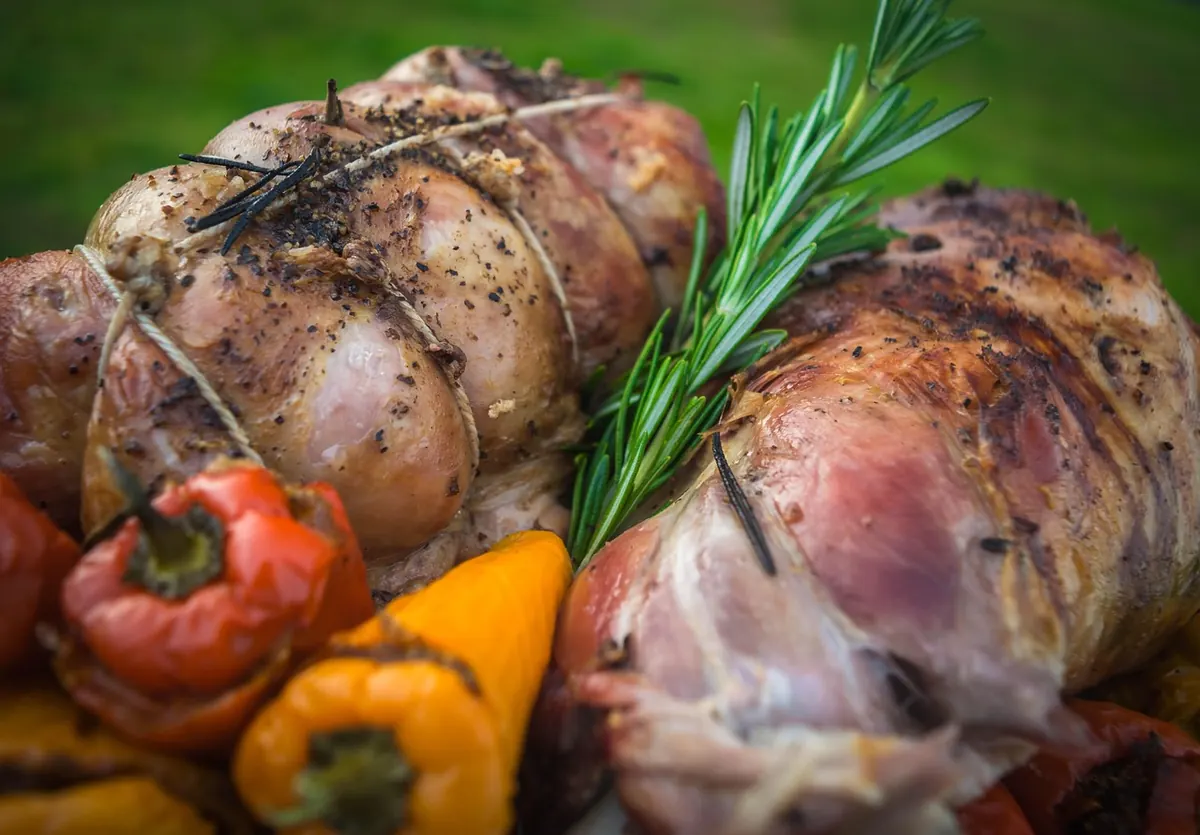
Order a Herdwick box from a Cumbrian farm and you notice the difference before the pan is even warm: darker meat, a thick cap of firm, creamy fat, and a smell that's grassy rather than neutral. The breed grows slowly on the fells, and that slow growth shows up on the plate as deeper flavour and a firmer texture. It also means there's less margin for error than with the pale lamb on a supermarket shelf. Techniques that flatter a cheap leg of lamb can quietly ruin a Herdwick. Here are the five mistakes that come up most often in home kitchens.
Mistake One: Cooking Every Cut the Same Way
Herdwick carcasses are smaller-framed than commercial breeds, with less meat on the bone and more connective tissue to think about. That tissue is the whole story. Where it's scarce — along the loin and rack — the meat wants speed and heat. Where it's plentiful — shoulder, breast, neck, shank — it wants time, moisture and a low oven. Try to roast a shoulder like a leg and you'll get something chewy and dry.
A rough guide:
- Loin, rack, fillet: fast and hot. Pink in the middle, rested briefly, sliced thick.
- Leg: hot blast to colour the fat, then a moderate oven to finish. Or bone it out and cut steaks for the grill.
- Shoulder, breast, neck, shank: long, low and wet. Braise, pot-roast or cook in cider, stock or ale until the meat gives way under a spoon.
- Mince and diced trimmings: superb for kofta, ragu and shepherd's pie — cook mince through rather than serving it pink.
If you're unsure which you have, ask the farmer or butcher what they'd do with it. They know the animal it came from.
Mistake Two: Treating Herdwick Like a Supermarket Leg of Lamb
Most lamb in a supermarket is bred to be mild, tender and forgiving. Herdwick is none of those things, in the best way. It has more flavour, so it needs less interference — but it also dries out faster if you overcook it by ten minutes and hope for the best.
Three habits matter more than any recipe. First, take the joint out of the fridge 40 to 60 minutes before it goes in the oven; cold meat in a hot oven cooks unevenly, grey at the bone and raw near the surface. Second, dry the surface with kitchen paper and score the fat cap so it renders instead of steaming. Third, and most importantly, stop cooking to a clock and start cooking to a temperature.
Push a digital probe into the thickest part of the meat, away from bone and fat. Take a leg out at 52–55°C for pink, 58–60°C for medium. It will rise several degrees while it rests.
A hot start — 220°C for 15 to 20 minutes — gives you a dark, crisp exterior, then drop to 160–170°C to finish gently. That two-stage approach suits Herdwick better than a single moderate oven.
Mistake Three: Stripping Off All the Fat
Fell grazing gives Herdwick a distinctive fat — firm, yellow-tinted, and full of the flavour that people mean when they say the meat tastes of the landscape. Trim it all away and you've thrown out the best of it, then wondered why the roast tasted like any other.
Trim only what's genuinely excess: hard lumps, any bruised patches, and the thickest part of the cap if it's more than a centimetre or so. Leave the rest to baste the joint from above. Spoon the rendered fat over potatoes halfway through roasting, and keep a jar of it in the fridge for frying onions — it will set hard and keep for weeks.
If you're limiting saturated fat for health reasons, the honest answer is portion size rather than surgery on the joint: a smaller serving of well-cooked Herdwick will satisfy you more than a large plate of dry, trimmed meat. For anything specific to your own diet or medical circumstances, talk to your GP or a registered dietitian rather than a recipe.
Mistake Four: Under-Seasoning the Meat — Or Burying It
Two opposite errors, same disappointing plate. Herdwick has enough character that under-salting leaves it flat and slightly dull, while a heavy hand with cumin, harissa and five-spice simply erases the breed.
The most useful habit is salting ahead. Rub a whole joint with about one per cent of its weight in fine salt — roughly 10g for each kilogram — and leave it uncovered in the fridge overnight on a rack. The salt moves into the meat, seasons it evenly, and helps it hold moisture. Chops and steaks get the same treatment for an hour on the counter.
Then keep the flavourings simple and Cumbrian-friendly: rosemary, thyme, garlic, black pepper, a little mustard, a splash of cider or ale in the braise. Add pepper after cooking rather than before, since it burns. Finish every dish with something sharp — a squeeze of lemon, a spoonful of redcurrant jelly, a handful of watercress — to cut through the richness. If you're braising, salt the liquid lightly at the start and correct it at the end, once the sauce has reduced.
Mistake Five: Skipping the Rest
A leg of Herdwick straight from the oven is a lesson in patience. Cut it immediately and the juices flood the board, leaving the meat dry and the cook puzzled. Rest it loosely tented with foil — no tight wrapping, which steams the crust — for 15 to 20 minutes for a leg or shoulder, 5 to 10 for chops and steaks. Big joints benefit from 25.
Use the time. Warm the plates, make gravy from the roasting tin with a spoonful of flour, a splash of stock and a drop of cider vinegar, and sharpen the carving knife. Then carve across the grain in slices about half a centimetre thick, and only as much as you're serving. Slices sitting in a pool of juices go grey; a joint left whole stays hot for a second helping.
Getting It Right: A Short Checklist
- Match the cut to the method: quick and hot for loin and rack, slow and wet for shoulder, breast and shank.
- Bring the meat to room temperature, dry it well and score the fat cap.
- Salt ahead — overnight for a joint — and keep herbs and spices in a supporting role.
- Cook to temperature, not to time: 52–55°C for pink, and long, low cooking until a shoulder pulls apart.
- Rest before carving, and keep the rendered fat for the potatoes.
Do those five things and Herdwick stops being a tricky ingredient and becomes a straightforward one. Buy from a Cumbrian farm shop or butcher when you can, ask what cut you're holding, and let the meat do most of the work.
Photo: JordanStimpson / Pixabay