A Beginner’s Guide to Ordering at a Traditional Cumbrian Café

In much of Cumbria a café does three jobs at once. It is where you get breakfast, where you dry out after a wet hour on the fells, and quite often where you buy a paper, a pint of milk and a postcard. Walk in expecting a city coffee bar and you will be puzzled by the laminated menu, the “please wait to be seated” sign that half the customers ignore, and the pot of tea that arrives large enough for three people. None of it is complicated once you know the shape of the place. Here is how to read the room, the menu and the local vocabulary.
Work out which kind of café you have walked into
Most Cumbrian cafés fall into a few loose types, and the type tells you how to behave. A village café, often attached to a shop or the post office, is informal: you order at the counter, sit where you like, and the person serving may also be the person who sells you stamps. A walkers’ café near a popular fell or lakeside path is built for volume and wet kit, with boot trays by the door, a soup board and generous portions. A town-centre café in Kendal, Penrith or Carlisle may look smarter, with table service and a proper espresso machine, but the menu underneath is often the same. Then there are the tearooms — china cups, doilies, cake stands — where the pace is slower and the scones are the point.
The quickest way to tell how to order is to look for a sign at the till. If there is none, ask. “Do we order at the counter?” is a perfectly normal question and nobody will think less of you. In many places it is a hybrid: drinks and cakes at the counter, hot food brought to the table. That is not a trick, it is just how it evolved.
The dishes worth ordering
Breakfast
A full Cumbrian breakfast is close to a full English, with one local difference worth seeking out: Cumberland sausage. It is traditionally long and coiled rather than short and linked, coarse-ground pork with a heavy hand on the pepper. If you see it on the menu as a sandwich, in a bun, or with mash, order it. You may also meet black pudding, fried bread, and a pot of tea that keeps refilling itself. Vegetarian versions exist almost everywhere now, usually built around mushrooms, tomatoes, egg and sometimes halloumi or a vegetarian sausage.
Lunch
Look for the soup of the day — lentil, vegetable, or a meaty broth — served with bread and butter. Cumberland tatie pot, a slow-cooked dish of lamb or mutton with potatoes and often a layer of black pudding, appears on specials boards in the colder months, as does Herdwick lamb. Jacket potatoes, pies, toasties, sandwiches on white or brown with a salad garnish, and fish and chips in the coastal towns are all standard. Portions tend to be large; if you are not very hungry, a bowl of soup and a shared sandwich is a sensible order, and most places will happily do a child’s portion if you ask.
Cakes and puddings
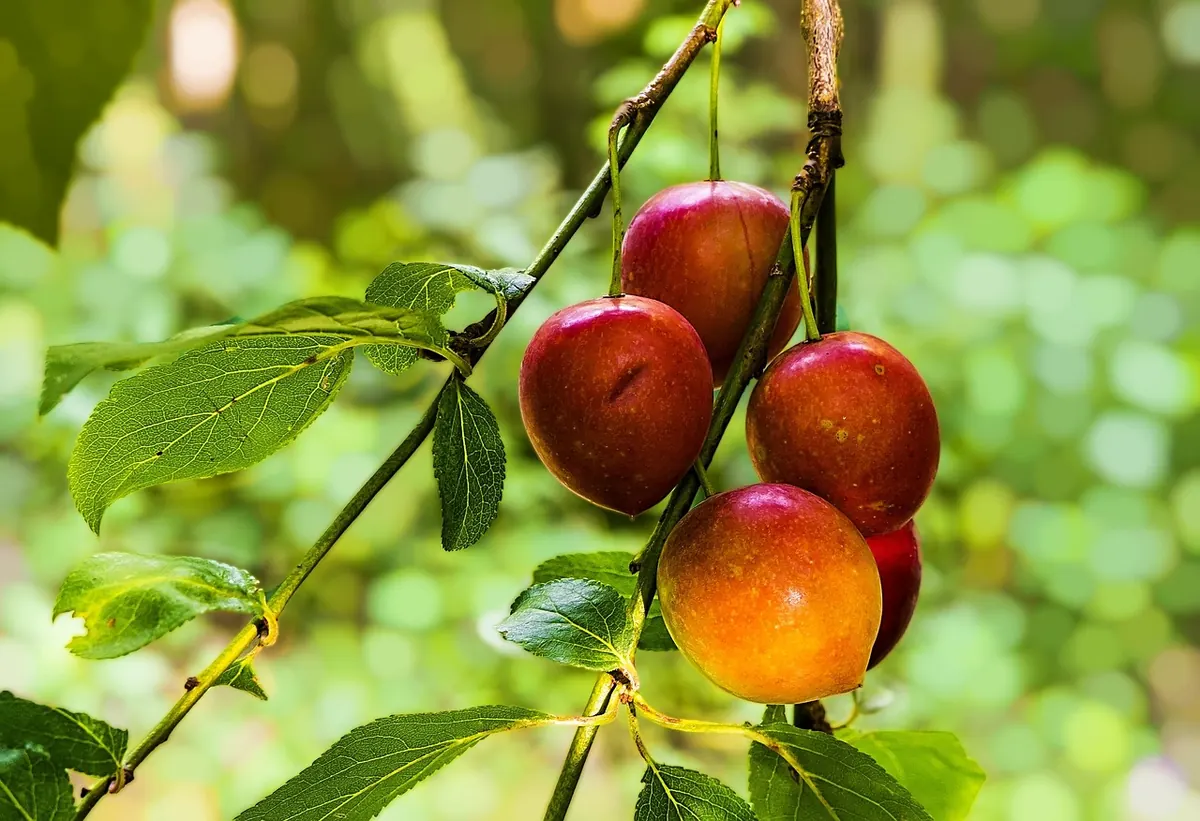
Traybakes under cling film on the counter are usually excellent: flapjack, shortbread, Victoria sponge. Sticky toffee pudding with custard is the classic warm pudding. Fruit scones come with jam and, in the north, usually cream as well — put them on in whichever order you prefer, no one is marking you. Grasmere gingerbread is crumbly and spicy rather than chewy, Borrowdale tea bread is fruity and best buttered, and Kendal mint cake is a sugary mint block that walkers buy rather than eat at the table. Damson jam or rum butter on a scone or a piece of bread is a very West Cumbrian pleasure.
Words that trip people up
Cumbrian speech is warm and mostly intelligible, but a few words will change what arrives on your table.
- Brew — a cup of tea, and almost always a pot rather than a single mug.
- Bait — food, especially a packed lunch. A “bait box” is a lunchbox.
- Tatie — potato. Tatie pot, tatie hash, taties on the side.
- Dinner — often means lunch, while tea means the evening meal. Ask what time they stop serving dinners, not lunch, if the sign uses the older word.
- Nowt and owt — nothing and anything. “Nowt else?” means “anything else?”
- Marra — friend, mostly in west Cumbria. Being called it is a good sign.
- Gan yem — going home. La’al — little.
- Are you all right? — a greeting, not a medical enquiry.
How to order, step by step
- Check the door or the till for a sign about counter service or table service.
- If it is unclear, ask. Then take a menu and choose a table, ideally away from the door if it is cold.
- Order drinks and hot food together. Cakes are often chosen at the counter later, when you can see them.
- Be specific about tea and coffee: “strong, please”, or “milk on the side”. It genuinely helps.
- Ask what has run out before you set your heart on something. Soup and Sunday roasts sell out first.
- Pay when they ask — sometimes at the counter when ordering, sometimes at the table at the end. Cards are widely accepted, but a little cash is useful in the smallest places.
Timing matters more than you would think
Breakfast is often served until eleven, sometimes all day; lunch runs roughly from noon to two, with the kitchen winding down mid-afternoon. Arriving at half past two and hoping for a full breakfast usually ends in a slice of cake, which is not the worst outcome. Sunday lunch is the busiest sitting of the week, and bank holidays and school holidays fill small cafés quickly. If you are a group of five or more, or you want a table for Sunday lunch, ring ahead. In quiet seasons some village cafés close early or open only a few days a week, so check the door, the local noticeboard or their social media before making a special trip.
Etiquette, without the fuss
Wet coats and muddy boots are expected, but keep them off the chairs and use the tray by the door. Dogs are welcome in many cafés and nowhere near as welcome in others, so ask rather than assume, and keep the lead short. If it is busy, sharing a table is normal and a nod is enough. If you are settling in with a laptop, ask first, buy something every hour or so, and move on if tables are filling up. Tipping is not obligatory in a small café, but rounding up or leaving the change is appreciated. If you have a serious allergy or need gluten-free food, phone ahead rather than relying on the menu — small kitchens have limited space, and a quick call makes the visit easier for everyone, including you. For anything medical or dietary that affects your health, speak to a qualified professional.
A simple plan for your first visit
Go mid-morning or early lunch, when the kitchen is in full swing and the cakes are still whole. Ask how to order, take a pot of tea, and order one local thing you cannot get at home: Cumberland sausage, tatie pot, or a scone with damson jam. Read the specials board before the printed menu, since that is where the cooking actually is. Leave a little change, thank the person at the till, and you will be greeted like a regular next time — which, in Cumbria, tends to happen sooner than you expect.
Photo: hoahoa111 / Pixabay