What’s in Season in Cumbria: A Month-by-Month Guide for Local Food Lovers
Cumbria does not do year-round sameness. The growing season here is short and sharp, nudged along by mild Atlantic air and held back by the fells, and what appears in the market halls and farm shops changes almost week by week. Knowing what is at its peak — and what is about to vanish for another year — is the difference between a good dinner and one you remember. Here is how the Cumbrian food year actually runs.
January to March: The Lean, Honest Months
Late winter is not glamorous, and that is part of its appeal. Roots and brassicas carry the table: swede, celeriac, parsnips, leeks, red cabbage, kale, and purple sprouting broccoli from around February. Parsnips and sprouts that have taken a frost taste noticeably sweeter, because cold converts starch to sugar. A January parsnip genuinely beats a November one, and it is worth waiting for.
These are the months for the store cupboard and the butcher. Cumberland sausage, coarser and more peppery than most versions sold outside the county, is a year-round staple; smoked and cured meats, pickles and chutneys from last summer's glut fill the gaps. In the market halls, Seville oranges arrive in January and marmalade-making takes over half the kitchens in the county. Buy a jar from someone who made it and ask how they got the set.
April and May: Wild Garlic, Spring Lamb and the First Green
Wild garlic carpets damp woodland from late March into May — the woods around Grasmere and Borrowdale, the Kentmere and Longsleddale valleys. Pick a few leaves from the middle of a large patch, never dig the bulbs, and wash everything well; a leaf or two chopped into butter, soup or an omelette is plenty. If foraging is new to you, go with someone experienced, and never eat anything you cannot identify with certainty.
Lambing runs through April. Saltmarsh lamb from the grazing around the Kent, Leven and Duddon estuaries is a genuine regional speciality, so ask for it by name at the butcher's counter. Look out for hogget too — a year old rather than a few months, with more flavour and often better value.
The first real greens arrive now: spinach, sorrel, radishes, spring onions, outdoor lettuces, and asparagus from a small number of Furness and Eden growers. Farmhouse cheeses from the Eden Valley and the south Lakes are at their best while the cows are back out on grass.
June to August: Soft Fruit, Herdwick Lamb and Show Season
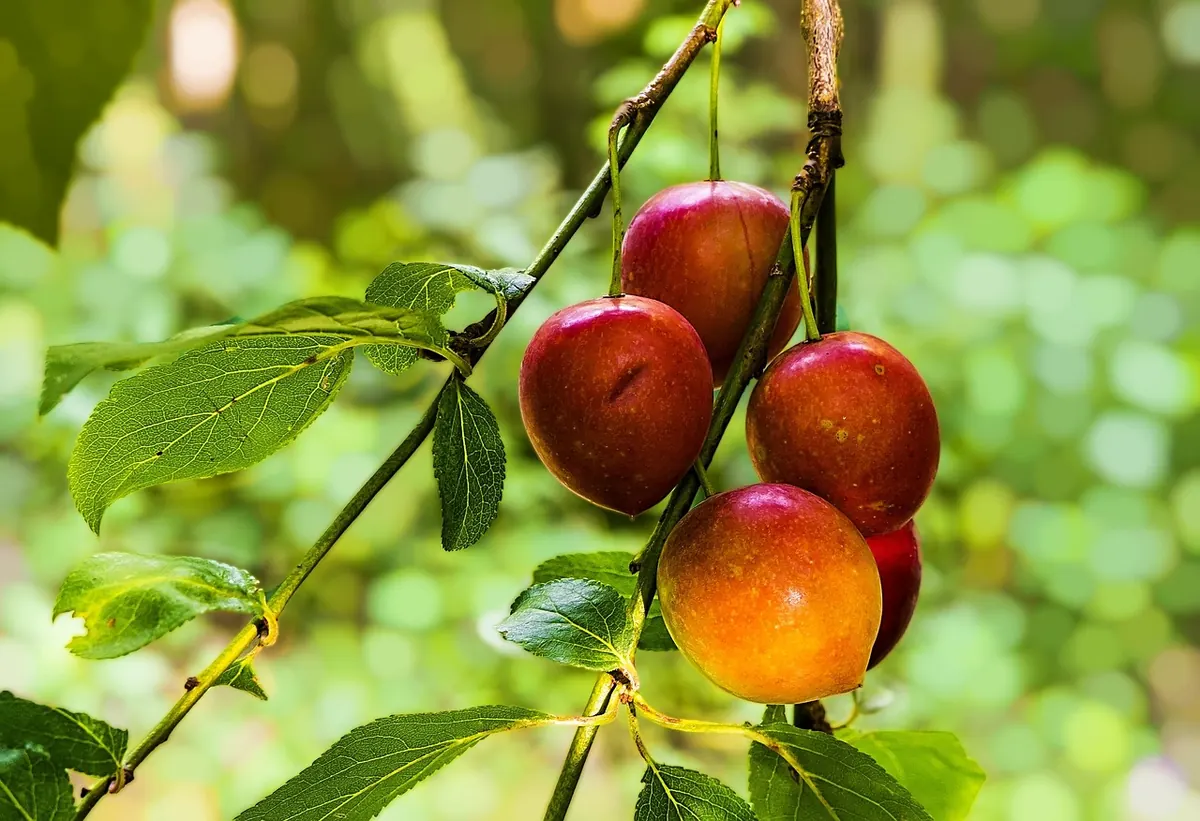
Strawberries and raspberries come in from the sheltered valleys and the coastal plain, followed by gooseberries, blackcurrants and the first plums. In the vegetable stalls you will find broad beans, peas, new potatoes, beetroot and courgettes, all cheap enough to buy by the box and cook in quantity.
Herdwick lamb reaches the butchers from late summer, and the county's show season gets going at the same time. Cartmel Show in August, the Westmorland County Show at Crooklands in September and Egremont Crab Fair, with its long-running gurning competition, are all worth a day out. The food tents at these events are the fastest way to taste across the whole county in an afternoon.
September to November: Damsons, Apples and the Hedgerow
The Lyth Valley damson is Cumbria's signature fruit, cropping from late August into September. Small, tart and deep purple, it makes superb jam, gin and damson cheese, and some orchards and pubs run picking days when the crop is heavy. Ask at a village shop in the valley and someone will point you in the right direction.
Apples follow: old northern varieties such as Keswick Codlin and Carlisle Codlin still turn up in gardens, small orchards and the occasional market stall. Then come blackberries, sloes, elderberries, rosehips and hazelnuts. Sloes are traditionally picked after the first frost, though a night in the freezer does the same job.
Mushrooms are the great autumn prize and the great autumn risk. Field blewits, parasols and chanterelles all grow here, but many species have dangerous lookalikes. Go out with an experienced forager before picking anything for the pan, and leave alone anything you are not certain about.
Game fills the butcher's window: grouse from the twelfth of August, pheasant from October, venison all year.
December to February: Frost, Brassicas and Potted Shrimps
Sprouts, kale, winter cabbage, leeks, swede, parsnips and Jerusalem artichokes hold the kitchen together through the coldest weeks, and the market halls turn into a showcase for everything put up earlier in the year — chutneys, jams, cured meats and cheeses.
Potted shrimps from Morecambe Bay, landed around Flookburgh and Greenodd, are the local Christmas treat: brown shrimp set in clarified butter with mace and cayenne, spread thickly on hot toast. Grasmere gingerbread, made to the same recipe since the nineteenth century, and Kendal Mint Cake, still a serious walking ration, make easy gifts from any food shop in the county.
Market Days and Where to Find Them
Most of what is described above is bought in person, not ordered online. These are the places to start:
- Kendal — Wednesday and Saturday street markets plus the indoor Market Hall, the best single stop for meat, cheese, bread and hot food.
- Ulverston — a charter market on Thursdays and Saturdays, with a strong food presence and good delis around it.
- Keswick — Thursday and Saturday markets in Market Square, handy if you are walking rather than driving.
- Penrith —
Photo: fietzfotos / Pixabay